Author: JoinHSHS

  • La Jolla, California

    La Jolla, California

    Village of La Jolla: the downtown business district includes most of La Jolla’s shops, museums, art galleries and restaurants on Prospect and Girard. Homes and condos in the Village have great walkability, and are highly sought after.

    Beach-Barber Tract: Reminiscent of Northern California’s Carmel by the Sea, some of the homes are half-timbered and could be transported seamlessly to an English Village. Others are traditional Spanish, with terracotta tile roofs. WindanSea Beach is renowned as an elite surfing area, and a great place to watch the sun set.

    Lower Hermosa: Wide streets lined with palms lie to the west of La Jolla Boulevard. Magnificent oceanfront homes line Camino de la Costa, known as the Street of Dreams.

    Upper Hermosa: A verdantly landscaped residential area east of La Jolla Boulevard, within walking distance of Bird Rock restaurants and La Jolla Methodist Church, once the site of an old train station.

    Bird Rock: the family-oriented neighborhood of Bird Rock has its own business district with restaurants and coffee shops and small businesses which every community needs. Traffic roundabouts have been installed, complete with landscaping for beautification. And yes, there IS a Bird Rock. Walk two blocks toward the ocean and you will find it, covered with sea gulls and pelicans.

    Muirlands West: a neighborhood located off Nautilus Street as you head up Mount Soledad, past La Jolla High School and Muirlands Middle School.

    Muirlands: a grand old neighborhood, with large custom homes, some of them historically designated. Inspiration Drive and surrounding streets have many estate-like properties.

    La Jolla Alta: a master-planned community with both single family and attached homes, built in a Mediterranean style. Many are situated on tiered theatre lots which offer views to the south as far as the islands off Mexico.

    La Jolla Mesa: an area with spectacular white-water southern views from the hill above Pacific Beach.

    Soledad South: east of La Jolla Alta, homes sit on the gentle southern slope of Mount Soledad, with easterly views to the mountains, and ocean views to the west and south.

    Hidden Valley: a quiet residential area on the lower northern slope of Mount Soledad, just below the veteran’s memorial park which marks La Jolla’s highest point.

    Country Club: set in the hills above the Village of La Jolla, many of these home on winding streets overlook the pastoral La Jolla Country Club golf course as well as the ocean.

    La Jolla Shores: Kellogg Park lies next to the La Jolla Beach & Tennis Club. It has a flat, accessible beach area popular with kayakers and scuba divers, near the La Jolla Shores Village, with excellent restaurants and shops. Residences range from Olde La Jolla beach cottages and vacation condos to fine oceanfront homes on El Paseo Grande. To the north is the Scripps Institution of Oceanography campus. The Shores neighborhood extends up the hill above La Jolla Shores Drive.

    La Jolla Heights: some of La Jolla’s grandest views are found on the ridgeline above La Jolla Shores on streets such as Calle del Oro and Whale Watch Way.

    La Jolla Village, aka the Golden Triangle: the centerpiece is La Jolla Village Square, a shopping center with theatres, restaurants, retail and grocery stores, surrounded by condo developments. This vibrant area is highly popular with young professionals and empty-nesters.

    La Jolla Farms: Located on the ocean bluff above Black’s Beach, near the Torrey Pines Gliderport, UCSD and the Salk Institute, this neighborhood offers some of La Jolla’s largest homes and lots, with a stunning array of architectural statements.

    School Information:

    The Gillispie School (Preschool) 7380 Girard Ave, La Jolla, CA 92037 | (858) 459-3773
    La Jolla Elementary | 1111 Marine Street La Jolla, Ca 92037 | (858) 454-7196
    Torrey Pines Elementary | 8350 Cliffridge Ave, San Diego, CA 92037 | (858) 453-2323
    Muirlands Junior High | 1056 Nautilus St, La Jolla, CA | (858) 459-4211
    Bishop’s School | 7607 La Jolla Blvd, La Jolla, CA | (858) 459-4021
    Stella Maris Academy | 7654 Herschel Ave, La Jolla, CA | (858) 454-2461
    Evans School | 6510 La Jolla Scenic Dr S, La Jolla, CA | (858) 459-2066
    La Jolla Senior High School | 750 Nautilus St, La Jolla, CA 92037 | (858) 551-9871

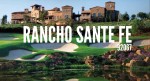
  • Rancho Sante Fe, California

    Rancho Sante Fe, California

    Rancho Valencia

    There are thirty home sites apart of Rancho Valencia Resort and Spa. This beautiful resort spans 65 acres featuring a four star restaurant, 18 tennis courts, 43 guest casitas, and a time share program for all you vacationers. If you are looking for exclusivity, making it Rancho Valencia Resort and Spa is a member of the prestigious Relais & Châteaux collection and is the only Relais & Châteaux property in all of Southern California. Tennis magazine, ranked Rancho Valencia the No. 1 Tennis Resort in the United States.

    Rancho Del Lago

    When you pull up to this exclusive community that is guarded  24 hours which is located outside of the northeastern border of the Covenant, you realize how special the Rancho Del Lago really is. John Desha designed Rancho Del Lago on 185 acres within Valencia orange groves on what was formerly the “Johnston Ranch.” Enjoy one of the forty three luxury estates with views of the San Dieguito Reservoir.

    South Pointe Farms

    South Pointe Farms is a luxury gated community that features fifty two gorgeous homes located on the northwest border of the Covenant. Fourteen of the homes are within Rancho Santa Fe School District and the remainder are apart of the Encinitas School District. Living in South Pointe Farms will get you beautiful hillside views, the San Elijo Lagoon, or portions of the Pacific Ocean.

    The Groves

    Moments outside of the covenant, you can experience a community of forty four home sites nestled in the verdant Valencia orange groves that range from one to four acre lots with tropical palms and citrus. From hiking trails to tennis courts, there won’t be a shortage of good ol’ fashion fun across fifty acres. Imagine being a stones throw away from the exclusive Bridges at the Rancho Santa Fe Golf Club and your kids enjoying what the great things Rancho Santa Fe School District/San Dieguito Union High School District has to offer.

    Rancho La Cima

    If you can’t get enough of that Mediterranean Spanish architecture, you will appreciate these twenty six custom homes nestled in this private gated community.

    Rancho Belvedere

    Feast your eyes on sixteen oversized lots that showcase high end luxury estates in a gated community that features forty acres of rolling hills and magnificent views.

    Del Rayo Downs

    This gated Mediterranean community features sixty-five patio homes with panoramic valley views of horse pastures and golf courses. Amenities include a community pool, clubhouse, cabana, and tennis courts while your kids study at Solana Santa Fe Elementary, Earl Warren Middle School, and either Torrey Pines High School or San Dieguito Academy.

    Roxbury Estates

    Greg Bacino with Siena Siena Pacific, LLC developed eight custom homes on 2-3 acres with pools, spas, theaters, wine cellars, elevators and even putting greens leaving your imagination satisfied. Your children will enjoy their studies at Solana Santa Fe Elementary, Earl Warren Middle School, Torrey Pines High School, San Dieguito Academy, and Canyon Crest Academy.

    The Meadows Rancho Santa Fe

    These fifteen Spanish/Mediterranean homes located off El Apajo and Via Santa Fe are memorizing. Rancho Santa Fe Meadows is an equestrian community outside of the covenant that is zoned L allowing livestock without arbitrary limits. Therefore some of the properties have horse facilities, barns, and even stables. Your children will enjoy their studies at Solana Santa Fe Elementary School, Earl Warren Middle School, and Torrey Pines High School.

    Rancho Diegueno Estates

    In the 1980s, Rancho Diegueno became a masterplan community of 238 custom homes which includes neighborhoods  such as Santa Fe Vista, Santa Fe Sur, San Diegueno Hills, Circo Diegueno and Santa Fe Lakes.

    Rancho Santa Fe Lakes

    North of Carmel Valley Road and a few miles south of Rancho Santa Fe Farms, you will experience a gated community of thirty nine home sites with lot sizes that range from one to two acres while your children study at Solana Santa Fe Elementary and San Dieguito Union High School District, which include Torrey Pines High School.

    Rancho Farms Estates

    Are you looking for a quaint community with only sixteen distinctive custom homes south of Rancho Santa Fe Farms? If so, magnificent homes on six acre lots with panoramic views will quickly stop you in your tracks. Your kids will enjoy schools such as Solana Santa Fe Elementary, Earl Warren Middle School, Torrey Pines High School & Canyon Crest Academy.

    Spyglass Homes

    Visit the community of Spyglass located past the 24 hour guard gates of The Farms.

    The Summit

    These 23 luxury estates on the eastern edge of the Covenant on the Del Dios Highway will curb your custom home desires delicately placed on two acres lots with a minimum of 5,000 square feet.

    The River Estates

    Between 2005-2009 local builder Jim Ford built 14 homes and tucked them into 25 acres of wildlife preserve and gave them a Mediterranean feel calling it River Estates on the northeast corner of Morgan Run Golf Resort and Club. Your children will enjoy schools such as Solana Santa Fe Elementary, Earl Warren Middle School, Torrey Pines High School & Canyon Crest Academy.

    Tuscan Estates

    Between Fairbanks Ranch and the Covenant of Rancho Santa Fe, you will experience an intimate gated community of nine special homes built by Jim Sylvester. This Tuscan architecture will truly catch your eye while your kids will enjoy schools that include Solana Santa Fe Elementary, Fairbanks Country Day private school, Horizon Christian School and Nativity Catholic School. And if you are looking for more school options, you are within minutes of Earl Warren Middle School, Torrey Pines High School and Canyon Crest Academy.

    Stonebridge

    92091 features the beautiful gated community known as Stonebridge which is adjacent to the San Elijo Reserve.

    Stonefield Estates

    In 2002 Stonefield Estates got their start giving fifty residences a place to call home in this wonderful gated community.

    Montecito

    Are you looking for a Spanish Mediterranean home that overlooks Fairbanks Country Club and horse facilities? If so, these thirty six homes may be just what you’re looking for.


  • Coronado, California

    Coronado, California

    The rich history of Coronado also known as the Crown City offers three unique areas known as:

    1. The Village – This community puts in at the heart of beautiful parks, schools and a mix of unique custom homes new and old.
    2. Coronado Shores – This community offers the historic landmark we all know and love Hotel Del Coronado along with 10 high-wise towers that hug the beautiful beach.
    3. Coronado Cays – This Silver Strand is only 5 miles south of Coronado Village and features homes with boat slips, endless views and the Coronado Yacht Club.
  • Del Mar, California

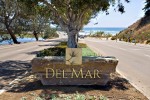
    Del Mar, California

    Del Mar offers the glitz and glamour of Hollywood, but in a more relaxed atmosphere. The classic feel of this seaside community has served as a celebrity getaway since the 1930s. Del Mar offers the glitz and glamour of Hollywood, but in a more relaxed atmosphere. Years pass, but Del Mar’s appeal remains the same.

    Del Mar offers incredible beaches boutique shops, beautiful people, the famous Del Mar race track, high-end boutiques, powerhouse park, luxurious resorts, oceanfront dining right at your door step.

    Start your day with a walk on the beach. Spend the morning shopping downtown. Catch a few races at the track in the afternoon. Enjoy a glorious sunset while dining oceanfront on local cuisine. Meet friends for a night cap before heading home.

    Del Mar is known for its lifestyle, one that is unique to this upscale beach community.

    Discover the most sought after gated communities in Del Mar, California:

    1. Santaluz Real Estate
    2. The Crosby Estates
    3. Rancho Pacifica
    4. The Heritage
    5. Del Mar Country Club
    6. Meadows Del Mar
    7. Fairbanks Ranch
    8. Alta Del Mar
    9. Maricel
    10. Fairbanks Highlands
  • Beverly Hills, California

    Beverly Hills, California

    Beverly Hills is a medium-sized city located in the state of California. With a population of 34,658 people and seven constituent neighborhoods, Beverly Hills is the 228th largest community in California.

    Beverly Hills home prices are not only among the most expensive in California, but Beverly Hills real estate also consistently ranks among the most expensive in America.

    Beverly Hills is a decidedly white-collar city, with fully 95.73% of the workforce employed in white-collar jobs, well above the national average. Overall, Beverly Hills is a city of professionals, managers and sales and office workers. There are especially a lot of people living in Beverly Hills who work in management occupations (19.78%), sales jobs (17.21%) and office and administrative support (8.97%).

    Of important note, Beverly Hills is also a city of artists. Beverly Hills has more artists, designers and people working in media than 90% of the communities in America. This concentration of artists helps shape Beverly Hills’s character.

    A relatively large number of people in Beverly Hills telecommute to their jobs. Overall, about 11.99% of the workforce works from home. While this may seem like a small number, as a fraction of the total workforce it ranks among the highest in the country. These workers are often telecommuters who work in knowledge-based, white-collar professions. For example, Silicon Valley has large numbers of people who telecommute. Other at-home workers may be self-employed people who operate small businesses out of their homes.

    Beverly Hills, while not large, also appears to be attractive to some younger, educated professionals, who help shape the character of the city.

    Beverly Hills Information and Demographics

    Do you have a 4-year college degree or graduate degree? If so, you may feel right at home in Beverly Hills. 58.65% of adults here have a 4-year degree or graduate degree, whereas the national average for all cities and towns is just 21.84%.

    The per capita income in Beverly Hills in 2010 was $75,890, which is wealthy relative to California and the nation. This equates to an annual income of $303,560 for a family of four. However, Beverly Hills contains both very wealthy and poor people as well.

    Beverly Hills is a somewhat ethnically-diverse city. The people who call Beverly Hills home describe themselves as belonging to a variety of racial and ethnic groups. The greatest number of Beverly Hills residents report their race to be White, followed by Asian. Important ancestries of people in Beverly Hills include Iranian, Russian, English, German, Polish and Irish.

    In addition, Beverly Hills has a lot of people living here who were born outside of the US (37.42%).

    The languages spoken by people in Beverly Hills are also diverse. These are tabulated as the languages people preferentially speak when they are at home with their families. The most common language spoken in Beverly Hills is English. Other important languages spoken here include Persian, Spanish, French and Hebrew.

    Some of the most expensive Beverly Hills neighborhoods:
    1. N Beverly Dr / Elevado Ave
    2. Loma Vista Dr / Carla Ridge
    3. W Olympic Blvd / S Beverly Dr
    4. W Olympic Blvd / S Canon Dr
    5. S La Cienega Blvd / Wilshire Blvd
    6. City Center
    7. Wilshire Blvd / N La Cienega Blvd

  • Bel Air, California

    Bel Air, California

    Bel Air and Beverly Hills area offer four guard gated communities that include Bel Air Crest, Beverly Park, The Summit, and Mulholland Estates. Your options will range from 2,400 square feet up to 15,000 square feet in Bel Air Crest. Expect to spend between $1.5M and over $7M depending on your lifestyle needs.

    Bel Air median real estate price is $3,689,708, which is more expensive than 99.8% of the neighborhoods in California and 99.9% of the neighborhoods in the U.S.

    The average rental price in Bel Air is currently $3,743, based on NeighborhoodScout’s exclusive analysis. The average rental cost in this neighborhood is higher than 99.7% of the neighborhoods in California.

    Bel Air is a suburban neighborhood (based on population density) located in Los Angeles, California.

    Bel Air real estate is primarily made up of medium sized (three or four bedroom) to large (four, five or more bedroom) single-family homes and mobile homes. Most of the residential real estate is owner occupied. Many of the residences in the Bel Air neighborhood are older, well-established, built between 1940 and 1969. A number of residences were also built between 1970 and 1999.

    Vacant apartments or homes are a major fact of life in Bel Air. The current real estate vacancy rate here is 20.5%. This is higher than the rate of vacancies in 85.6% of all U.S. neighborhoods. In addition, most vacant housing here is vacant year round. This can sometimes be the case in neighborhoods dominated by new construction that is not yet occupied. But often neighborhoods with vacancy rates this high are places that can be plagued by a protracted vacancy problem. If you live here, you may find that a number of buildings in your neighborhood are actually empty.

    Many things matter about a neighborhood, but the first thing most people notice is the way a neighborhood looks and its particular character. For example, one might notice whether the buildings all date from a certain time period or whether shop signs are in multiple languages. This particular neighborhood in Los Angeles, the Bel Air neighborhood, has some outstanding things about the way it looks and its way of life that are worth highlighting.

    NOTABLE & UNIQUE: DIVERSITY

    Did you know that the Bel Air neighborhood has more Iranian and Eastern European ancestry people living in it than nearly any neighborhood in America? It’s true! In fact, 9.6% of this neighborhood’s residents have Iranian ancestry and 3.0% have Eastern European ancestry.

    Bel Air is also pretty special linguistically. Significantly, 9.6% of its residents five years old and above primarily speak Persian at home. While this may seem like a small percentage, it is higher than 99.9% of the neighborhoods in America.

    NOTABLE & UNIQUE: PEOPLE

    Wealth makes most things in life easier, and a few things harder. If you are wealthy and enjoy keeping up with the Jones’, this neighborhood will interest you. In fact, according to NeighborhoodScout’s research, the Bel Air neighborhood is wealthier than 99.6% of the neighborhoods in the United States. Residents here are truly in a unique situation even when compared to other Americans, based on the sheer amount of wealth concentrated here. Even in times of economic downturn, residents of this neighborhood, as a group, suffered less and recovered more quickly. This is indeed a stand-out characteristic of this neighborhood.

    In addition, a majority of the adults in the Bel Air neighborhood are wealthy and educated executives. They own stately homes that tend to maintain high real estate appreciation rates. Their upper-level careers keep them busy, but allow them to live comfortably. If you’re an executive and want to keep similar company, consider settling in this neighborhood, rated as an executive lifestyle “best choice” neighborhood for California by NeighborhoodScout’s analysis, which rated it as better for executive lifestyles than 99.2% of the neighborhoods in California. In addition to being an excellent choice for highly educated executives, this neighborhood is also a very good choice for active retirees, urban sophisticates and families with school-aged children.

    Also, if knowledge is power, then imagine the cumulative power of one neighborhood where many of the adults have earned an advanced degree, such as a Masters, law degree, medical degree, or even a Ph.D. This is certainly the case in the Bel Air neighborhood, where 39.2% have earned an advanced degree. Compare that to the average neighborhood in America, where just 8.4% of adults have completed a post-graduate degree, and you can see why this neighborhood is a stand out. In fact, this neighborhood has a higher rate of adults with an advanced degree than 98.2% of the neighborhoods in America.

    NOTABLE & UNIQUE: OCCUPATIONS

    Executives, managers and professionals make up 74.9% of the workforce in the Bel Air neighborhood which, according to NeighborhoodScout’s exclusive analysis, is a higher proportion of such high-level people than is found in 99.2% of the neighborhoods in America. For this reason, this neighborhood really stands out as unique.

    NOTABLE & UNIQUE: MODES OF TRANSPORTATION

    While most Americans do drive to work alone each day, the Bel Air neighborhood stands out by having 94.7% of commuters doing so, which is a higher proportion of people driving alone to work than NeighborhoodScout found in 97.6% of all American neighborhoods.

    Also, in the Bel Air neighborhood, many people’s commute means walking from the bedroom to the home office. NeighborhoodScout’s analysis found that 12.9% of residents worked from home. This may not seem like a large number, but Scout’s research shows that this is a higher percentage of people working from home than 97.1% of the neighborhoods in America. Often people who work from home are engaged in the creative or technological economy, such as is found in areas around Boston, and in Silicon Valley. Other times, people may be engaged in other businesses like trading stocks from home, or running a small beauty salon.

    NOTABLE & UNIQUE: CAR OWNERSHIP

    We Americans love our cars. Not only are they a necessity for most Americans due to the shape of our neighborhoods and the distances between where we live, work, shop, and go to school, but we also fancy them. As a result, most households in America have one, two, or three cars. But NeighborhoodScout’s exclusive analysis shows that the Bel Air neighborhood has a highly unusual pattern of car ownership. Residents of this neighborhood must really love automobiles. NeighborhoodScout’s Analysis reveals that 38.5% of the households here have four, five, or more cars. That is more cars per household than in 96.0% of the neighborhoods in the nation.

    NOTABLE & UNIQUE: REAL ESTATE

    In addition, one way that the Bel Air neighborhood really stands out, is that it has more large 4, 5, or additional bedroom homes and real estate than 96.5% of the neighborhoods in America. When you walk or drive around this neighborhood, you’ll instantly notice the size of the homes here which definitely makes a strong visual statement.

    Furthermore, this Bel Air neighborhood has earned the amazing distinction of having one of the highest rates of detached, single-family homes of any neighborhood in the U.S. With 97.1% of the residential real estate here made up of free-standing single-family homes, there is a greater proportion of single-family homes here than in 95.9% of all neighborhoods in America.

    THE NEIGHBORS: INCOME

    How wealthy a neighborhood is, from very wealthy, to middle income, to low income is very formative with regard to the personality and character of a neighborhood. Equally important is the rate of people, particularly children, who live below the federal poverty line. In some wealthy gated communities, the areas immediately surrounding can have high rates of childhood poverty, which indicates other social issues. NeighborhoodScout’s analysis reveals both aspects of income and poverty for this neighborhood.

    The neighbors in the Bel Air neighborhood in Los Angeles are wealthy, making it among the 15% highest income neighborhoods in America. NeighborhoodScout’s exclusive analysis reveals that this neighborhood has a higher income than 99.6% of the neighborhoods in America. In addition, 10.6% of the children seventeen and under living in this neighborhood are living below the federal poverty line, which is a lower rate of childhood poverty than is found in 62.7% of America’s neighborhoods.

    THE NEIGHBORS: OCCUPATIONS

    What we choose to do for a living reflects who we are. Each neighborhood has a different mix of occupations represented, and together these tell you about the neighborhood and help you understand if this neighborhood may fit your lifestyle.

    In the Bel Air neighborhood, 74.9% of the working population is employed in executive, management, and professional occupations. The second most important occupational group in this neighborhood is sales and service jobs, from major sales accounts, to working in fast food restaurants, with 17.8% of the residents employed. Other residents here are employed in clerical, assistant, and tech support occupations (4.9%), and 2.5% in manufacturing and laborer occupations.

    THE NEIGHBORS: ETHNICITY / ANCESTRY

    Culture is shared learned behavior. We learn it from our parents, their parents, our houses of worship, and much of our culture – our learned behavior – comes from our ancestors. That is why ancestry and ethnicity can be so interesting and important to understand: places with concentrations of people of one or more ancestries often express those shared learned behaviors and this gives each neighborhood its own culture. Even different neighborhoods in the same city can have drastically different cultures.

    In the Bel Air neighborhood in Los Angeles, CA, residents most commonly identify their ethnicity or ancestry as German (9.8%). There are also a number of people of Irania ancestry (9.6%), and residents who report Italian roots (5.0%), and some of the residents are also of Russian ancestry (4.4%), along with some English ancestry residents (4.3%), among others. In addition, 18.3% of the residents of this neighborhood were born in another country.

    THE NEIGHBORS: LANGUAGES

    The languages spoken by people in this neighborhood are diverse. These are tabulated as the languages people preferentially speak when they are at home with their families. The most common language spoken in the Bel Air neighborhood is English, spoken by 75.2% of households. Other important languages spoken here include Persian and French.

    GETTING TO WORK
    Even if your neighborhood is walkable, you may still have to drive to your place of work. Some neighborhoods are located where many can get to work in just a few minutes, while others are located such that most residents have a long and arduous commute. The greatest number of commuters in Bel Air neighborhood spend between 15 and 30 minutes commuting one-way to work (38.2% of working residents), which is shorter than the time spent commuting to work for most Americans.

    Here most residents (94.7%) drive alone in a private automobile to get to work. In a neighborhood like this, as in most of the nation, many residents find owning a car useful for getting to work.
  • Hollywood, California

    Hollywood, California

    We hope these brief descriptions inspire you to explore these 7 neighborhoods within Hollywood.

    1. Norma Triangle – Legend has it that silent movie star Norma Talmadge had a film studio in what is now the best known and most historic of WeHo’s neighborhoods. The homes were said to have originally been dressing rooms for the stars, after whom she named the streets.
    2. West Hollywood West – Hidden away on the side streets north of Beverly Boulevard, south of Melrose Avenue between Doheny and La Cienega, meet the Mayberry of West Hollywood.
    3. Tri-West – Close to West Hollywood Park and the library, residents say the best part of living in Tri-West is the proximity to shops and restaurants. “Tri-West is in the center of all of West Hollywood’s main events such as the Halloween Carnaval, Gay Pride Parade and AIDS Walk,” said resident Larry Block.
    4. West Hollywood North – Is “a microcosm of the entire city,” said its neighborhood association vice president Lynn Hoopingarner.
    5. West Hollywood Heights – It’s the place to live for the best view in the city. WeHo’s smallest neighborhood sits north of the Sunset Strip, and formed in 2007 to fight off the Centrum Sunset project.
    6. Center City – Home to one-fifth of WeHo’s population, Center City boasts some of the largest, most historic apartment buildings in the city, and some of its most beautiful architecture.Nichols Canyon Rd / Astral Dr median real estate price is $1,116,163, which is more expensive than 92.7% of the neighborhoods in California and 99.0% of the neighborhoods in the U.S.
    7. East Side – With a large Russian population, the Eastside has a different feel than other parts of the city. Life moves at a slower pace, and family plays a much more significant role. The average rental price in Nichols Canyon Rd / Astral Dr is currently $1,973, based on Neighborhood Scout’s exclusive analysis. The average rental cost in this neighborhood is higher than 73.9% of the neighborhoods in California.

    Hollywood Hills neighborhoods offer:

    1. Beachwood Canyon – Is located in the northern section of the Hollywood Hills. It is nestled along Beachwood Drive from the Hollywood sign to Franklin Avenue. The area was formerly known as “Hollywoodland”, and the iconic Hollywood sign use to bear this name as well.Nichols Canyon Rd / Astral Dr is a suburban neighborhood (based on population density) located in Los Angeles, California.
    2. Franklyn Village – This quaint little hipster ‘hood between Hollywood, the 101 and the Hollywood Hills, is an oddity in L.A.—a compact, walkable neighborhood. The eastern border is N. Wilton Place, the southern border is Hollywood Blvd. from N. Wilton Place to the 101 Freeway, the western border is the 101 Freeway from Hollywood Blvd. to the Vine Street entrance, and the northern/western border is Franklin Avenue starting from the Vine Street entrance of the 101 Freeway and moving eastward to Cheremoya, then north on Cheremoya until the street ends. Then the northern border continues along Foothill Drive from Cheremoya moving eastward to N. Wilton Place.
    3. Hollywood Heights – Is a neighborhood in the Hollywood Hills of Los Angeles, California, bounded by Highland Avenue, Franklin Avenue, the Hollywood Bowl, and Outpost Drive. Hollywood Heights is a short drive from the hustle and bustle of Hollywood, yet it remains a secluded retreat away from the chaos of city life. Full of historic homes and cultural landmarks, those who call Hollywood Heights home are a lucky few.
    4. Hollywood Dell – The generally accepted borders of “the Dell” are east of Cahuenga, north of Franklin, west of Argyle and south of the Hollywood Reservoir. It is fully encompassed by zip code 90068. The neighborhood was established in the early 1920’s, and today is a mix of profesionals artists, families and even some famous faces. (The Dell has been home to The Rolling Stones, Minnie Driver, Marilyn Manson, Goldie Hawn, Eva Longoria Parker and Audrina Patridge.) With only about 1,000 residences, it’s easy to feel at home in this cozy community.
    5. Outpost Estates – Outpost Estates is located directly east of Runyon Canyon Park and centered around Outpost Drive. It was developed by Charles E. Toberman, and was one of the original 1920s Hollywood luxury residential neighborhoods in the heart of Old Hollywood. Most of the original houses have been preserved, and Lower Outpost looks much like it did in the 1920s. The name “Outpost” came from an early building in the neighborhood. General Harrison Grey Otis, the owner of the Los Angeles Times, acquired the estate from Don Tomás through legal wrangling associated with California’s scession to the United States. Near Casa Don Tomás, Otis built a clubhouse on the property for entertaining which he called The Outpost.

    Nichols Canyon Rd / Astral Dr real estate is primarily made up of small (studio to two bedroom) to medium sized (three or four bedroom) apartment complexes/high-rise apartments and single-family homes. Most of the residential real estate is occupied by a mixture of owners and renters. Many of the residences in the Nichols Canyon Rd / Astral Dr neighborhood are older, well-established, built between 1940 and 1969. A number of residences were also built between 1970 and 1999.

    Nichols Canyon Rd / Astral Dr has a 14.9% vacancy rate, which is well above average compared to other U.S. neighborhoods (higher than 73.5% of American neighborhoods). Most vacant housing here is vacant year round. This could either signal that there is weak demand for real estate in the neighborhood or that large amount of new housing has been built and not yet occupied. Either way, if you live here, you may find many of the homes or apartments are empty.

    NOTABLE & UNIQUE NEIGHBORHOOD CHARACTERISTICS
    Many things matter about a neighborhood, but the first thing most people notice is the way a neighborhood looks and its particular character. For example, one might notice whether the buildings all date from a certain time period or whether shop signs are in multiple languages. This particular neighborhood in Los Angeles, the Nichols Canyon Rd / Astral Dr neighborhood, has some outstanding things about the way it looks and its way of life that are worth highlighting.

    NOTABLE & UNIQUE: DIVERSITY

    Did you know that the Nichols Canyon Rd / Astral Dr neighborhood has more Eastern European and Lithuanian ancestry people living in it than nearly any neighborhood in America? It’s true! In fact, 5.7% of this neighborhood’s residents have Eastern European ancestry and 2.2% have Lithuanian ancestry.

    Nichols Canyon Rd / Astral Dr is also pretty special linguistically. Significantly, 7.3% of its residents five years old and above primarily speak French at home. While this may seem like a small percentage, it is higher than 99.7% of the neighborhoods in America.

    NOTABLE & UNIQUE: PEOPLE

    Nichols Canyon Rd / Astral Dr has the amazing distinction of housing more same sex couples living together than 98.9% of neighborhoods in the U.S. If you are seeking such a neighborhood, NeighborhoodScout’s analysis shows that this is one place that you should consider.

    THE NEIGHBORS: INCOME

    There are two complementary measures for understanding the income of a neighborhood’s residents: the average and the extremes. While a neighborhood may be relatively wealthy overall, it is equally important to understand the rate of people – particularly children – who are living at or below the federal poverty line, which is extremely low income. Some neighborhoods with a lower average income may actually have a lower childhood poverty rate than another with a higher average income, and this helps us understand the conditions and character of a neighborhood.

    The neighbors in the Nichols Canyon Rd / Astral Dr neighborhood in Los Angeles are upper-middle income, making it an above average income neighborhood. NeighborhoodScout’s exclusive analysis reveals that this neighborhood has a higher income than 78.1% of the neighborhoods in America. With 23.3% of the children here below the federal poverty line, this neighborhood has a higher rate of childhood poverty than 62.2% of U.S. neighborhoods.

    THE NEIGHBORS: OCCUPATIONS

    What we choose to do for a living reflects who we are. Each neighborhood has a different mix of occupations represented, and together these tell you about the neighborhood and help you understand if this neighborhood may fit your lifestyle.

    In the Nichols Canyon Rd / Astral Dr neighborhood, 59.1% of the working population is employed in executive, management, and professional occupations. The second most important occupational group in this neighborhood is sales and service jobs, from major sales accounts, to working in fast food restaurants, with 26.9% of the residents employed. Other residents here are employed in clerical, assistant, and tech support occupations (10.8%), and 3.2% in manufacturing and laborer occupations.

    THE NEIGHBORS: ETHNICITY / ANCESTRY

    Boston’s Beacon Hill blue-blood streets, Brooklyn’s Orthodox Jewish enclaves, Los Angeles’ Persian neighborhoods. Each has its own culture derived primarily from the ancestries and culture of the residents who call these neighborhoods home. Likewise, each neighborhood in America has its own culture – some more unique than others – based on lifestyle, occupations, the types of households – and importantly – on the ethnicities and ancestries of the people who live in the neighborhood. Understanding where people came from, who their grandparents or great-grandparents were, can help you understand how a neighborhood is today.

    In the Nichols Canyon Rd / Astral Dr neighborhood in Los Angeles, CA, residents most commonly identify their ethnicity or ancestry as German (7.6%). There are also a number of people of Irish ancestry (5.9%), and residents who report Eastern European roots (5.7%), and some of the residents are also of English ancestry (5.4%), along with some Italian ancestry residents (5.3%), among others. In addition, 27.0% of the residents of this neighborhood were born in another country.

    THE NEIGHBORS: LANGUAGES

    The languages spoken by people in this neighborhood are diverse. These are tabulated as the languages people preferentially speak when they are at home with their families. The most common language spoken in the Nichols Canyon Rd / Astral Dr neighborhood is English, spoken by 67.4% of households. Other important languages spoken here include Spanish, French, Greek and Russian.

    GETTING TO WORK
    Even if your neighborhood is walkable, you may still have to drive to your place of work. Some neighborhoods are located where many can get to work in just a few minutes, while others are located such that most residents have a long and arduous commute. The greatest number of commuters in Nichols Canyon Rd / Astral Dr neighborhood spend between 15 and 30 minutes commuting one-way to work (39.7% of working residents), which is shorter than the time spent commuting to work for most Americans.

    Here most residents (76.7%) drive alone in a private automobile to get to work. In addition, quite a number also ride the bus to get to work (6.1%) and 5.4% of residents also hop out the door and walk to work for their daily commute. In a neighborhood like this, as in most of the nation, many residents find owning a car useful for getting to work.

  • Malibu, California

    Malibu, California

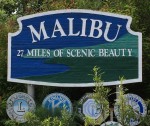
    Malibu is a somewhat small coastal city (i.e. on the ocean, a bay, or inlet) located in the state of California. With a population of 12,861 people and five constituent neighborhoods, Malibu is the 382nd largest community in California.

    Malibu home prices are not only among the most expensive in California, but Malibu real estate also consistently ranks among the most expensive in America.

    Malibu is a decidedly white-collar city, with fully 95.64% of the workforce employed in white-collar jobs, well above the national average. Overall, Malibu is a city of professionals, managers and sales and office workers. There are especially a lot of people living in Malibu who work in management occupations (20.05%), art, media, and design (13.22%) and sales jobs (12.43%).

    Of important note, Malibu is also a city of artists. Malibu has more artists, designers and people working in media than 90% of the communities in America. This concentration of artists helps shape Malibu’s character.

    Also of interest is that Malibu has more people living here who work in computers and math than 95% of the places in the US.

    One interesting thing about the economy is that relatively large numbers of people worked from their home: 24.16% of the workforce. While this number may seem small overall, as a fraction of the total workforce this is high compared to the rest of the county. These workers are often telecommuters who work in knowledge-based, white-collar professions. For example, Silicon Valley has large numbers of people who telecommute. Other at-home workers may be self-employed people who operate small businesses out of their homes.
    One of the nice things about Malibu is that it is nautical, which means that parts of it are somewhat historic and touch the ocean or tidal bodies of water, such as inlets and bays. Because of this, visitors and locals will often go to these areas to take in the scenery or to enjoy waterfront activities.

    One downside of living in Malibu, however, is that residents on average have to contend with a long commute, spending on average 33.04 minutes every day commuting to work.

    Malibu Information and Demographics

    If knowledge is power, Malibu is a pretty powerful place. 61.25% of the adults in Malibu have earned a 4-year college degree, masters degree, MD, law degree, or even PhD. Compare that to the national average of 21.84% for all cities and towns.

    The per capita income in Malibu in 2010 was $99,276, which is wealthy relative to California and the nation. This equates to an annual income of $397,104 for a family of four. However, Malibu contains both very wealthy and poor people as well.
    Malibu is a somewhat ethnically-diverse city. The people who call Malibu home describe themselves as belonging to a variety of racial and ethnic groups. The greatest number of Malibu residents report their race to be White, followed by Asian. Important ancestries of people in Malibu include English, German, Irish, Italian, European and Russian.

    Foreign born people are also an important part of Malibu’s cultural character, accounting for 16.33% of the city’s population.

    The most common language spoken in Malibu is English. Some people also speak Spanish.

    Most Expensive Malibu Neighborhoods:
    1. Malibu Beach
    2. Pacific Coast Hwy / Encinal Canyon Rd
    3. Las Flores / Topanga Beach
    4. City Center
    5. Malibu Bowl / Pepperdine U

  • Newport Beach, California

    Newport Beach, California

    Newport Beach is a larger medium-sized coastal city (i.e. on the ocean, a bay, or inlet) located in the state of California. With a population of 87,273 people and 19 constituent neighborhoods, Newport Beach is the 85th largest community in California.

    Newport Beach home prices are not only among the most expensive in California, but Newport Beach real estate also consistently ranks among the most expensive in America.

    Newport Beach is a decidedly white-collar city, with fully 94.07% of the workforce employed in white-collar jobs, well above the national average. Overall, Newport Beach is a city of managers, professionals and sales and office workers. There are especially a lot of people living in Newport Beach who work in management occupations (24.22%), sales jobs (17.54%) and business and financial occupations (9.48%).

    Of important note, Newport Beach is also a city of artists. Newport Beach has more artists, designers and people working in media than 90% of the communities in America. This concentration of artists helps shape Newport Beach’s character.

    Also of interest is that Newport Beach has more people living here who work in computers and math than 95% of the places in the US.

    A relatively large number of people in Newport Beach telecommute to their jobs. Overall, about 9.66% of the workforce works from home. While this may seem like a small number, as a fraction of the total workforce it ranks among the highest in the country. These workers are often telecommuters who work in knowledge-based, white-collar professions. For example, Silicon Valley has large numbers of people who telecommute. Other at-home workers may be self-employed people who operate small businesses out of their homes.
    One thing that you will notice about Newport Beach is that there is a good-sized population of people who are young, single, educated, and upwardly-mobile career starters. Many singles consider Newport Beach a good place to live without being in a really big city, with opportunities for friendships and fun with others like themselves.

    Newport Beach is also nautical, which means that parts of it are somewhat historic and touch the ocean or tidal bodies of water, such as inlets and bays. Quite often, nautical areas such as these attract visitors and locals who come to enjoy the scenery and various waterfront activities.

    Newport Beach Information and Demographics

    If knowledge is power, Newport Beach is a pretty powerful place. 64.08% of the adults in Newport Beach have earned a 4-year college degree, masters degree, MD, law degree, or even PhD. Compare that to the national average of 21.84% for all cities and towns.

    The per capita income in Newport Beach in 2010 was $78,494, which is wealthy relative to California and the nation. This equates to an annual income of $313,976 for a family of four. However, Newport Beach contains both very wealthy and poor people as well.
    Newport Beach is a somewhat ethnically-diverse city. The people who call Newport Beach home describe themselves as belonging to a variety of racial and ethnic groups. The greatest number of Newport Beach residents report their race to be White, followed by Asian. Important ancestries of people in Newport Beach include German, English, Irish, Italian, Iranian and French.

    The most common language spoken in Newport Beach is English. Other important languages spoken here include Spanish and Persian.

    Most Expensive Newport Beach Neighborhoods:

    1. Pacific Coast Hwy / Bayside Dr
    2. Newport Coast
    3. Via Lido Nord / Via Lido Soud
    4. Corona del Mar
    5. Lido Isle / Balboa Island
    6. Park Ave / N Bayfront
    7. Newport Heights
    8. San Joaquin Hills
    9. Pacific Coast Hwy / Bonnie Doone Ter
    10. Buck Gully Dr / Sandcastle Dr

  • Laguna Beach, California

    Laguna Beach, California

    Laguna Beach is a medium-sized coastal city (i.e. on the ocean, a bay, or inlet) located in the state of California. With a population of 23,250 people and five constituent neighborhoods, Laguna Beach is the 293rd largest community in California.

    Laguna Beach home prices are not only among the most expensive in California, but Laguna Beach real estate also consistently ranks among the most expensive in America.

    Laguna Beach is a decidedly white-collar city, with fully 94.07% of the workforce employed in white-collar jobs, well above the national average. Overall, Laguna Beach is a city of professionals, sales and office workers and managers. There are especially a lot of people living in Laguna Beach who work in management occupations (20.32%), sales jobs (19.42%) and office and administrative support (8.78%).

    Of important note, Laguna Beach is also a city of artists. Laguna Beach has more artists, designers and people working in media than 90% of the communities in America. This concentration of artists helps shape Laguna Beach’s character.

    Telecommuters are a relatively large percentage of the workforce: 12.64% of people work from home. While this number may seem small overall, as a fraction of the total workforce it is high relative to the nation. These workers are often telecommuters who work in knowledge-based, white-collar professions. For example, Silicon Valley has large numbers of people who telecommute. Other at-home workers may be self-employed people who operate small businesses out of their homes.
    Laguna Beach is also nautical, which means that parts of it are somewhat historic and touch the ocean or tidal bodies of water, such as inlets and bays. Such areas are often places that visitors and locals go for waterfront activities or taking in the scenery.

    Laguna Beach Information and Demographics

    Do you like to read, write and learn? If you move to Laguna Beach, you’ll likely find that many of your neighbors like to as well. Laguna Beach is one of the more educated communities in America, with a full 65.05% of its adults having a college degree or even advanced degree, compared to a national average across all communities of 21.84%.

    The per capita income in Laguna Beach in 2010 was $75,460, which is wealthy relative to California and the nation. This equates to an annual income of $301,840 for a family of four.

    Buy or sell Laguna Beach Real Estate get up to $2,000 or more Cash Back
    The people who call Laguna Beach home describe themselves as belonging to a variety of racial and ethnic groups. The greatest number of Laguna Beach residents report their race to be White, followed by Asian. Important ancestries of people in Laguna Beach include German, English, Irish, Italian, Scottish and European.

    The most common language spoken in Laguna Beach is English. Some people also speak Spanish.

    Most Expensive Laguna Beach Neighborhoods:

    1. South Laguna
    2. Alta Laguna Blvd / Temple Hills Dr
    3. City Center
    4. Canyon Acres
    5. Highland Way / Glenneyre St

error: JoinHSHS.com is protected!