Category: Bay Area Communities

  • San Fransisco, California

    San Fransisco, California

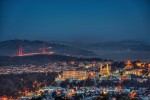
    San Francisco is a very large coastal city (i.e. on the ocean, a bay, or inlet) located in the state of California. With a population of 864,816 people and 198 constituent neighborhoods, San Francisco is the fourth largest community in California. San Francisco has a large stock of pre-World War II architecture, making it one of the older and more historic cities in the country.

    San Francisco home prices are not only among the most expensive in California, but San Francisco real estate also consistently ranks among the most expensive in America.

    San Francisco is a decidedly white-collar city, with fully 90.98% of the workforce employed in white-collar jobs, well above the national average. Overall, San Francisco is a city of professionals, managers, and sales and office workers. There are especially a lot of people living in San Francisco who work in management occupations (13.72%), sales jobs (10.37%), and office and administrative support (10.16%).

    Also of interest is that San Francisco has more people living here who work in computers and math than 95% of the places in the US.

    Of important note, San Francisco is also a city of artists. San Francisco has more artists, designers and people working in media than 90% of the communities in America. This concentration of artists helps shape San Francisco’s character.

    San Francisco is also nautical, which means that parts of it are somewhat historic and touch the ocean or tidal bodies of water, such as inlets and bays. Quite often, nautical areas such as these attract visitors and locals who come to enjoy the scenery and various waterfront activities.

    One downside of living in San Francisco, however, is that residents on average have to contend with a long commute, spending on average 32.76 minutes every day commuting to work. It is, however, a pedestrian-friendly city. Many of its neighborhoods are dense enough and have amenities close enough together that people find it feasible to get around on foot. In addition, local public transit is widely used. For those who would prefer to avoid driving entirely and leave their car at home, it may be an option to use the transit instead.

    San Francisco is a big city, and with that comes lots of benefits. One benefit is that most big cities have public transit, but San Francisco really shines when it comes to the extensiveness and use of its public transit system. More than most large American cities, San Francisco citizens use public transit daily to get to and from work. And while there are transportation options, most people in San Francisco ride the bus. Whereas in some cities one is destined to sit in traffic every morning to get to work and every evening to get home, in San Francisco a lot leave their cars at home (if they even choose to own one), and hop a ride on the bus.

    Do you have a 4-year college degree or graduate degree? If so, you may feel right at home in San Francisco. 53.83% of adults here have a 4-year degree or graduate degree, whereas the national average for all cities and towns is just 21.84%.

    The per capita income in San Francisco in 2010 was $52,220, which is wealthy relative to California and the nation. This equates to an annual income of $208,880 for a family of four. However, San Francisco contains both very wealthy and poor people as well.

    San Francisco is an extremely ethnically-diverse city. The people who call San Francisco home describe themselves as belonging to a variety of racial and ethnic groups. The greatest number of San Francisco residents report their race to be White, followed by Asian. San Francisco also has a sizeable Hispanic population (people of Hispanic origin can be of any race). People of Hispanic or Latino origin account for 15.30% of the city’s residents. Important ancestries of people in San Francisco include German, English, Italian, and European.

    Foreign born people are also an important part of San Francisco’s cultural character, accounting for 35.14% of the city’s population.

    The most common language spoken in San Francisco is English. Other important languages spoken here include Chinese and Spanish.

    Just for our own edification, we took the most expensive Bay Area ZIPs on both lists and looked at their average sale price on Redfin for all of 2016:

    Atherton, 92027 ($6.09 million; #3 Forbes, #2 PropertyShark)
    Palo Alto, 94301 ($2.93 million; #48 Forbes, #8 PS)
    Ross, 94957, ($2.82 million; N/A Forbes, #13 PS)
    Los Altos, 94022 ($2.8 million; #46 Forbes, #9 PS)
    Portola Valley, 94028 ($2.8 million; #51 Forbes, #10 PS)
    Los Altos, 94024 ($2.62 million; #68 Forbes, #15 PS)
    Los Gatos, 95030 ($2.3 million; #89 Forbes, #25 PS)
    Stanford*, 94305 ($2.28 million; N/A Forbes, #39 PS)
    Burlingame, 94010 ($2.23 million; #182 Forbes, #22 PS)
    Palo Alto, 94306 ($2.22 million; #143 Forbes, #23 PS)
    Saratoga, 95070 ($2.22 million; $85 Forbes, #28 PS)
    San Francisco, 94123 ($2.06 million; #61 Forbes, #24 PS)
    Tiburon, 94920 ($1.89 million; #54 Forbes, #31 PS)
    San Francisco, 94118 ($1.82 million; #128 Forbes, #37 PS)
    Menlo Park, 94025 ($1.8 million; #134 Forbes, #38 PS)

    (*Note that Stanford’s sample size of only a little more than a dozen homes sold isn’t particularly useful or reliable, which is probably why it didn’t make Forbes’ list.)
  • Berkeley, California

    Berkeley, California

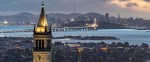
    Berkeley is a larger medium-sized coastal city (i.e. on the ocean, a bay, or inlet) located in the state of California. With a population of 120,972 people and 35 constituent neighborhoods, Berkeley is the 52nd largest community in California. Berkeley has a large stock of pre-World War II architecture, making it one of the older and more historic cities in the country.

    Berkeley home prices are not only among the most expensive in California, but Berkeley real estate also consistently ranks among the most expensive in America.

    Berkeley is a decidedly white-collar city, with fully 93.96% of the workforce employed in white-collar jobs, well above the national average. Overall, Berkeley is a city of professionals, managers, and sales and office workers. There are especially a lot of people living in Berkeley who work in teaching (14.27%), management occupations (12.50%), and office and administrative support (9.49%).

    And if you like science, one thing you’ll find is that Berkeley has lots of scientists living in town – whether they be life scientists, physical scientists (like astronomers), or social scientists (like geographers!). So, if you’re scientific-minded, you might like it here too.

    Also of interest is that Berkeley has more people living here who work in computers and math than 95% of the places in the US.

    Of important note, Berkeley is also a city of artists. Berkeley has more artists, designers and people working in media than 90% of the communities in America. This concentration of artists helps shape Berkeley’s character.

    Telecommuters are a relatively large percentage of the workforce: 10.61% of people work from home. While this number may seem small overall, as a fraction of the total workforce it is high relative to the nation. These workers are often telecommuters who work in knowledge-based, white-collar professions. For example, Silicon Valley has large numbers of people who telecommute. Other at-home workers may be self-employed people who operate small businesses out of their homes.

    Berkeley is made interesting by being both a reasonably big city and having a major college student population: students here will find that the city provides a lot of amenities, culture, and opportunities for them. Berkeley is more than just a college town, however, though the thousands of students certainly are a major part of the character of the city, as well as a contributor to the local economy.

    One of the nice things about Berkeley is that it is nautical, which means that parts of it are somewhat historic and touch the ocean or tidal bodies of water, such as inlets and bays. Because of this, visitors and locals will often go to these areas to take in the scenery or to enjoy waterfront activities.

    For the size of the city, public transportation in Berkeley is quite heavily used. Mostly, people who use it for their daily commute are taking the subway. For Berkeley, the benefits are reduced air pollution and congestion on the highways.

    If knowledge is power, Berkeley is a pretty powerful place. 70.93% of the adults in Berkeley have earned a 4-year college degree, masters degree, MD, law degree, or even PhD. Compare that to the national average of 21.84% for all cities and towns.

    The per capita income in Berkeley in 2010 was $42,627, which is wealthy relative to California and the nation. This equates to an annual income of $170,508 for a family of four. However, Berkeley contains both very wealthy and poor people as well.

    Berkeley is an extremely ethnically-diverse city. The people who call Berkeley home describe themselves as belonging to a variety of racial and ethnic groups. The greatest number of Berkeley residents report their race to be White, followed by Asian. Berkeley also has a sizeable Hispanic population (people of Hispanic origin can be of any race). People of Hispanic or Latino origin account for 11.44% of the city’s residents. Important ancestries of people in Berkeley include English, Irish, Italian, and European.

    Berkeley also has a high percentage of its population that was born in another country: 20.95%.

    The most common language spoken in Berkeley is English. Other important languages spoken here include Spanish and Chinese.

  • Napa, California

    Napa, California

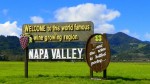
    Napa is a larger medium-sized city located in the state of California. With a population of 80,434 people and 28 constituent neighborhoods, Napa is the 100th largest community in California.

    Housing costs in Napa are among some of the highest in the nation, although real estate prices here don’t compare to real estate prices in the most expensive communities in California.

    Unlike some cities, Napa isn’t mainly white- or blue-collar. Instead, the most prevalent occupations for people in Napa are a mix of both white- and blue-collar jobs. Overall, Napa is a city of service providers, sales and office workers, and professionals. There are especially a lot of people living in Napa who work in office and administrative support (11.52%), management occupations (10.78%), and sales jobs (9.97%).

    The overall education level of Napa is somewhat higher than in the average US city of 21.84%: 28.73% of adults 25 and older in the city have at least a bachelor’s degree.

    The per capita income in Napa in 2010 was $32,520, which is upper middle income relative to California, and wealthy relative to the rest of the US. This equates to an annual income of $130,080 for a family of four. However, Napa contains both very wealthy and poor people as well.

    Napa is an extremely ethnically-diverse city. The people who call Napa home describe themselves as belonging to a variety of racial and ethnic groups. The greatest number of Napa residents report their race to be White, followed by Asian. Napa also has a sizeable Hispanic population (people of Hispanic origin can be of any race). People of Hispanic or Latino origin account for 39.33% of the city’s residents. Important ancestries of people in Napa include Irish, English, Italian, and French .

    Napa also has a high percentage of its population that was born in another country: 23.24%.

    The most common language spoken in Napa is English. Other important languages spoken here include Spanish and French.

  • Silicon Valley, California

    Silicon Valley, California

    With the wide assortment of top tech companies currently headquartered in Silicon Valley, it should come as no surprise that some of the country’s wealthiest people also call the area home.

    The 20 Most Expensive Zip Codes in Silicon Valley

    1. 94027 – San Mateo Atherton
    2. 94022 – Santa Clara Los Altos Hills
    3. 94024 – Santa Clara Los Altos Hills
    4. 94301 – Santa Clara Palo Alto
    5. 94028 – San Mateo Portola Valley
    6. 94010 – San Mateo Hillsborough
    7. 94306 – Santa Clara Palo Alto
    8. 95070 – Santa Clara Saratoga
    9. 95030 – Santa Clara Los Gatos
    10. 95014 – Santa Clara Cupertino
    11. 94062 – San Mateo Redwood City
    12. 94025 – San Mateo Menlo Park
    13. 94040 – Santa Clara Mountain View
    14. 94087 – Santa Clara Sunnyvale
    15. 94402 – San Mateo San Mateo
    16. 95032 – Santa Clara Los Gatos
    17. 94070 – San Mateo San Carlos
    18. 94002 – San Mateo Belmont
    19. 94041 – Santa Clara Mountain View
    20. 95120 – Santa Clara San Jose

error: JoinHSHS.com is protected!